What You'll Learn
- Protect your property safely in the first 48 hours
- Document roof damage in a way insurers can review
- Spot storm-chaser red flags before signing anything
- Understand how roof restoration works from start to finish
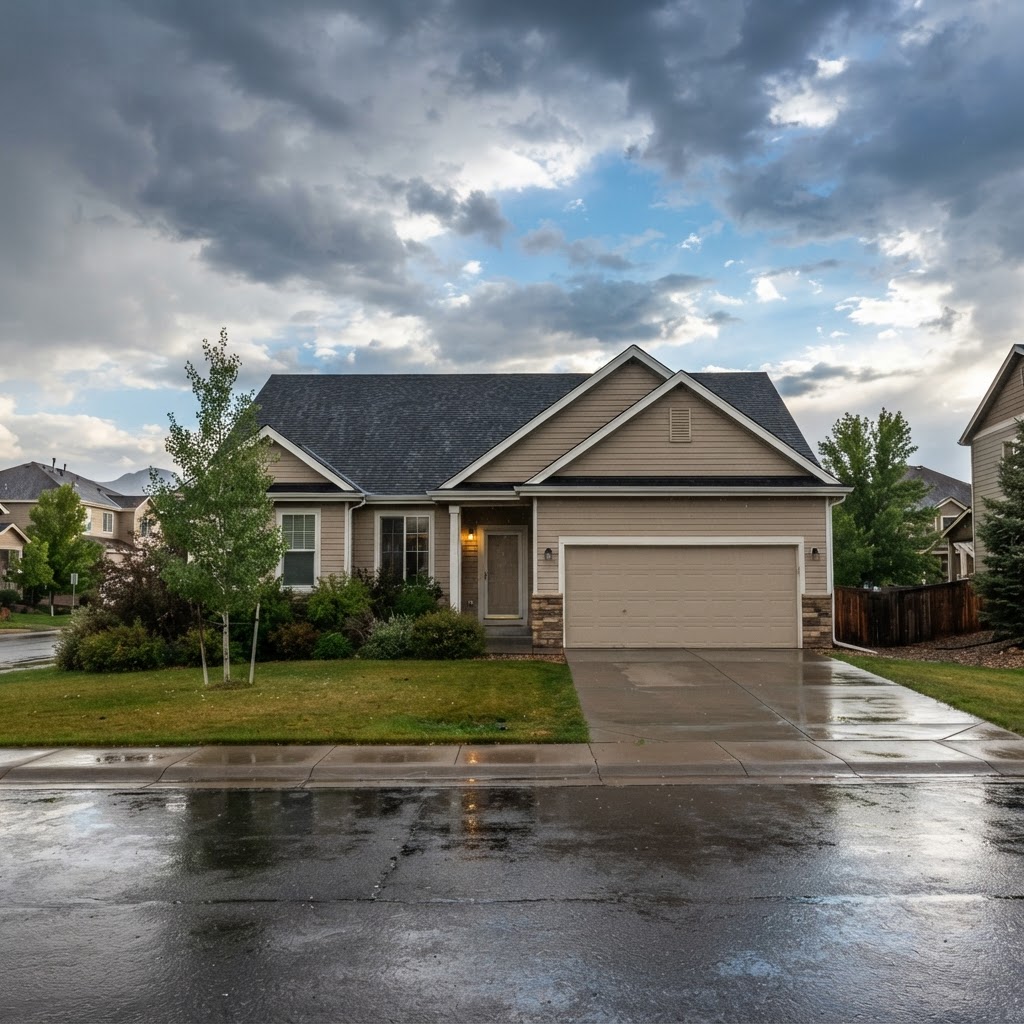
When a major storm moves through Sherrelwood, fast action can make a significant difference in the outcome of your roofing contractor project. Hail impacts, lifted shingles, exposed underlayment, and water intrusion can all worsen quickly if they are not addressed in the first 48 hours. For homeowners and local business owners, the goal is not to rush into permanent decisions, but to take the right immediate steps: stay safe, document what happened, prevent additional interior damage, notify your insurer, and work with a qualified local professional who understands storm damage roof restoration from inspection through final walkthrough.
Table of Contents
- 01First priority: safety before inspection
- 02How to document storm damage the right way
- 03When emergency tarping makes sense
- 04Contacting insurance without slowing down the project
- 05How to avoid storm-chaser scams in Sherrelwood
- 06What a professional storm damage roof restoration process looks like
- 07The final walkthrough and what to check
First priority: safety before inspection
After hail or high winds, avoid climbing onto the roof yourself. Storm damage often creates unstable surfaces, loose flashing, hidden punctures, and slick granules that increase fall risk. Instead, begin from the ground. Walk the perimeter of the property and look for obvious signs such as shingle pieces in landscaping, dented vents, displaced ridge materials, bent gutters, or debris impact points. If you want a better understanding of how storms affect the entire roof system, review how Colorado storms test your roof and gutters together. That broader context helps property owners in Sherrelwood recognize why a roofing contractor should evaluate not just the visible surface, but all connected components involved in storm damage roof restoration.
If there is active leaking indoors, place buckets or containers below drips, move furniture and electronics away from affected areas, and photograph water stains as they develop. If safe to do so, use towels or plastic sheeting to limit damage to flooring and contents. Turn off power to affected areas if water is near fixtures or outlets. These simple steps help preserve the property while creating a clear record of storm-related conditions for both your insurance carrier and your Sherrelwood roofing contractor.
How to document storm damage the right way
Good documentation supports a smoother storm damage roof restoration process. Start with wide-angle photos of each elevation of the building, then capture closer images of visible damage from the ground: fallen branches, dented metal components, damaged siding near the roofline, torn shingles visible from the edge, and interior leaks or ceiling bubbling. Add time-stamped notes describing when the storm occurred, when leaks were first noticed, and which rooms or sections were affected. If you have maintenance records or previous roof photos, keep them together in one folder.
Do not try to diagnose the full extent of damage on your own. Some hail strikes reduce shingle life without creating dramatic visual tears, and some wind damage breaks seal strips in ways that are not obvious from the yard. A professional inspection is what determines whether localized restoration is appropriate or whether broader storm damage roof restoration is needed. For helpful background on roofing systems and why material type matters during inspections, see our overview of common roofing materials and why different roofing systems require different expertise.
When emergency tarping makes sense
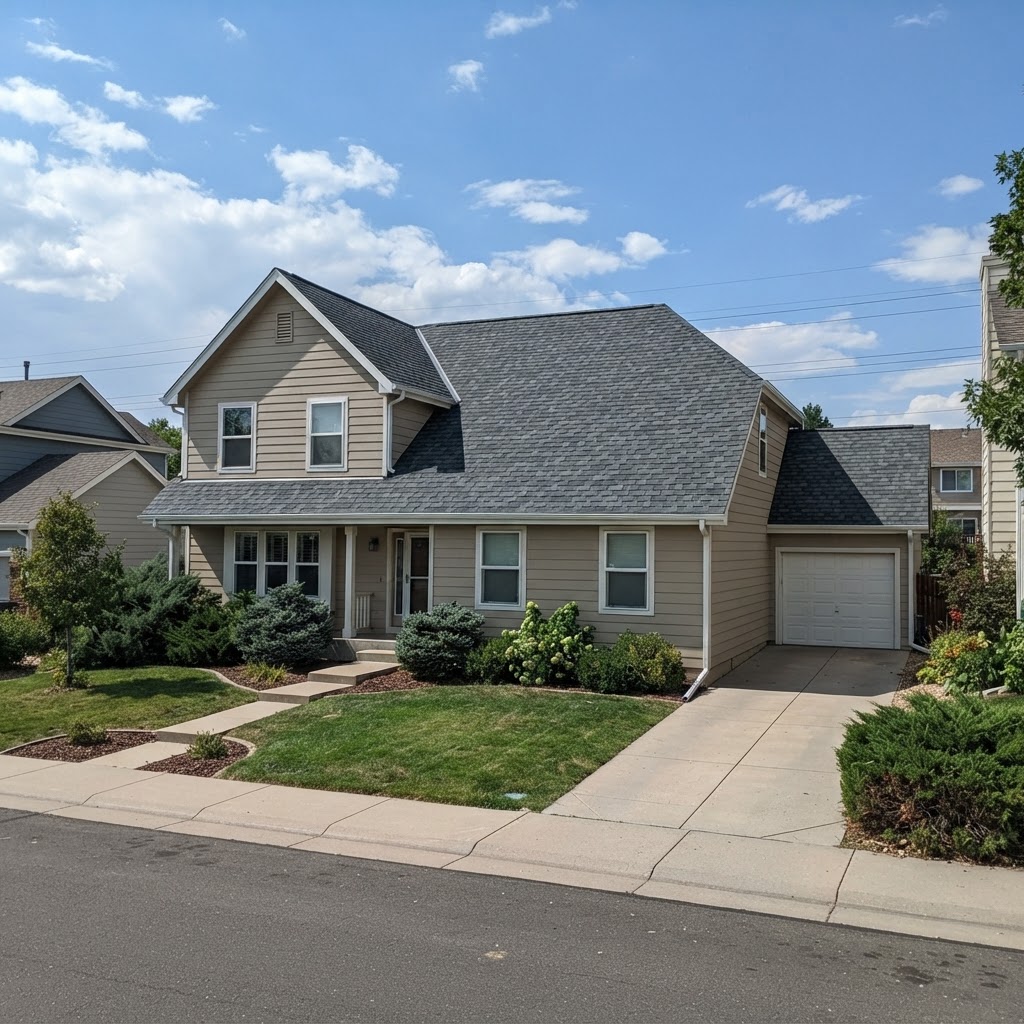
Emergency tarping is a temporary protective step, not a final repair. It is appropriate when the roof has exposed areas, active leaks, missing sections, or punctures that could allow additional rain into the structure before full storm damage roof restoration begins. A qualified Sherrelwood roofing contractor can install a tarp or other temporary weatherproofing in a way that reduces further water entry while preserving evidence of storm damage for the claim process.
This is also the stage where many property owners make an expensive mistake: accepting a quick offer from a door-knocking crew that appears right after the storm. Emergency protection should be documented, itemized, and clearly identified as temporary. It should not come with pressure to sign broad assignments, vague scopes of work, or blank change orders. If you are weighing restoration versus more extensive work after the inspection, this guide on maintenance, repair, or replacement can help frame the conversation you have with your roofing contractor in Sherrelwood.
Get a Free, No-Pressure Roof Inspection
Not sure what shape your roof is in? Our licensed, insured team will inspect it, explain what we find in plain language, and give you honest options.
Contacting insurance without slowing down the project
Notify your insurance company as soon as you have documented the damage and taken basic protective steps. Be ready with the date of loss, a short description of what happened, and your initial photos. Keep your explanation factual and concise. After that, schedule a professional roof inspection so your Sherrelwood roofing contractor can identify storm-related conditions in detail. A thorough inspection report often helps clarify the scope of storm damage roof restoration and gives you a stronger basis for discussing the claim.
During this phase, organization matters. Save claim numbers, adjuster contact information, receipts for emergency mitigation, and all project communications. Ask your roofing contractor to explain what damage is cosmetic, what is functional, and what may shorten roof life if left untreated. If your property includes specialty materials, it also helps to understand how those systems are evaluated after a storm; for example, this article on common metal roof misconceptions and this guide to impact-resistant shingles provide useful perspective on durability and post-storm assessment.
How to avoid storm-chaser scams in Sherrelwood
- Be cautious of anyone demanding a signature before a full inspection and written scope.
- Avoid contractors who offer to waive deductibles or make unrealistic promises.
- Ask for a local business presence, proof of insurance, and a clear contract.
- Do not rely on verbal pricing, verbal timelines, or vague material descriptions.
- Choose a roofing contractor who explains the restoration process step by step.
Storm-chaser scams usually follow the same pattern: urgency, pressure, and incomplete paperwork. A trustworthy Sherrelwood roofing contractor should inspect the roof carefully, explain findings in plain language, document the affected areas, and provide a written plan for storm damage roof restoration. They should also be transparent about scheduling, materials, cleanup, and what happens if hidden damage is discovered after work begins. If you want to understand what quality looks like when comparing companies, these signs of a quality roofing company are a useful reference point, even if your roof type differs.
What a professional storm damage roof restoration process looks like
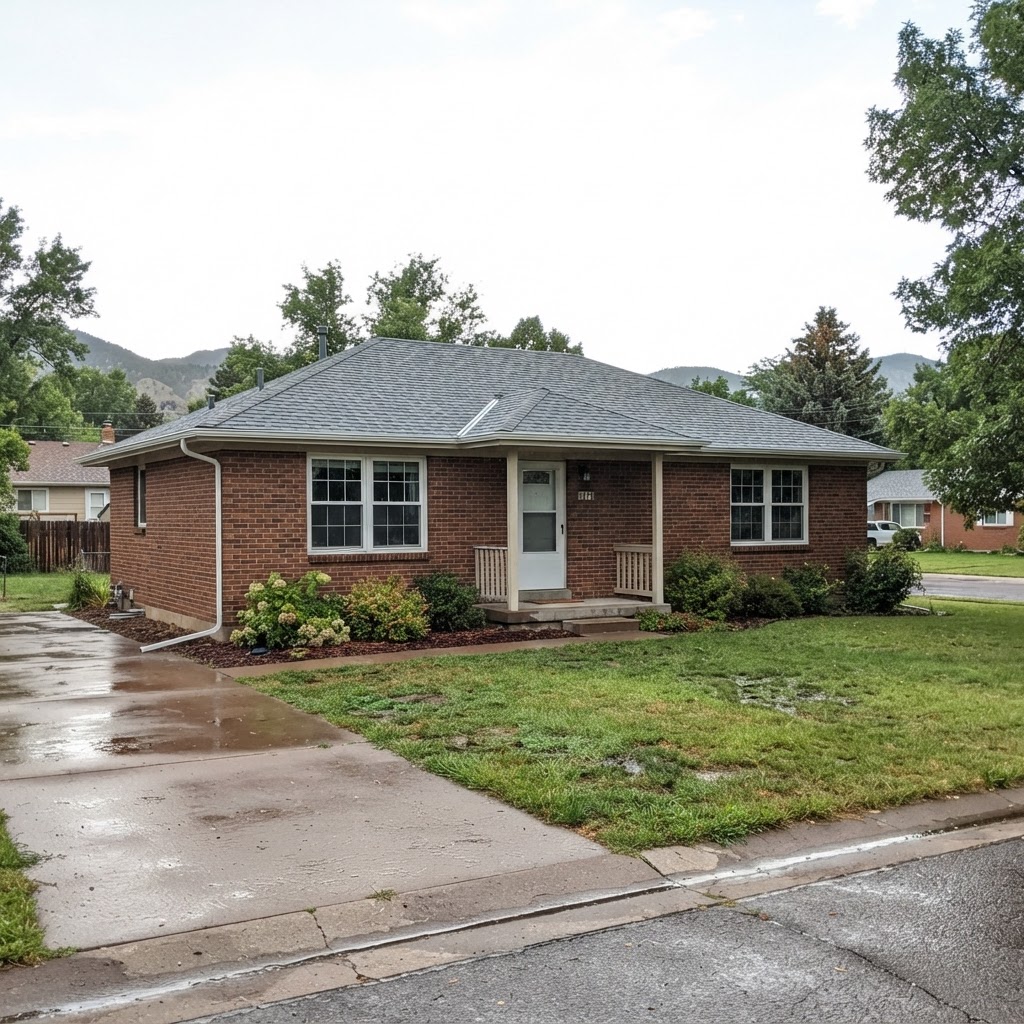
A professional storm damage roof restoration project usually begins with a detailed inspection. Your roofing contractor documents the roof covering, flashing, penetrations, drainage paths, and any interior indicators of moisture entry. Next comes a written scope of work that outlines the affected areas, recommended restoration steps, and the materials to be used. If insurance is involved, supporting documentation is coordinated so the approved scope and the field conditions align as closely as possible.
Once the project is scheduled, the crew completes site protection, removes compromised materials where necessary, addresses underlying damage, and restores the roofing system according to code and manufacturer requirements. Cleanup and magnetic nail sweeping should follow each workday and especially at project completion. Timeline depends on weather, material availability, claim progress, and the extent of storm damage. For a broader sense of scheduling expectations, see this roofing contractor timeline guide. Even when every storm restoration project is different, the best process remains consistent: inspect carefully, communicate clearly, execute cleanly, and verify the finished work.
Ready for a Roof You Can Rely On?
Roof Worx is a family-operated, GAF Master Elite roofing contractor with 20+ years serving the Denver metro. Get clear answers and a no-pressure estimate.
The final walkthrough and what to check
Before the project is considered complete, your Sherrelwood roofing contractor should conduct a final walkthrough with you. This is the time to review the completed restoration areas, confirm that accessories and roof penetrations were properly addressed, ask questions about ventilation or material performance, and verify that cleanup is complete. You should also receive documentation related to the completed storm damage roof restoration, including the final scope and any relevant product information.
Storm response is most effective when it is calm, documented, and guided by qualified professionals. If your property was recently hit, the first 48 hours are about protecting the structure and setting up a successful outcome. By choosing an experienced roofing contractor in Sherrelwood, you can move from uncertainty to a clear storm damage roof restoration plan that protects your property and helps you make informed decisions at every step.
Source: safe cleanup and repair steps after a disaster
Frequently Asked Questions

Ted leads Roofworx with a practical, customer-first approach shaped by a real appreciation for quality roofing and exterior work. He was drawn to this industry by the difference a well-built roof makes for a home or commercial property: protection, peace of mind, and long-term value. He enjoys helping property owners understand their options, whether they need repairs, replacement, storm damage support, or ongoing maintenance. Ted believes people deserve clear communication, honest recommendations, and workmanship that holds up in Wyoming conditions. He brings a steady, thoughtful level of care to every project and wants customers to feel informed, respected, and confident from the first conversation through the final walkthrough.
- 27+ years serving homeowners and businesses since 1999
- GAF Master Elite certified
- 2023 GAF Master Elite President's Club Award Winner
- Roof Worx GAF Presidents Club Award Wealth Builder 2016
- Specialized in residential and commercial roofing systems
- Experienced in asphalt, metal, tile, TPO, PVC, EPDM, and modified bitumen roofing