A Field Guide To The Residential Roofing Materials We Install
Asphalt, metal, tile, stone-coated, composite — and how to think about each one in Colorado
What You'll Learn
- Realistic lifespan ranges for asphalt, metal, tile, stone-coated, and composite
- Which materials best fit different home styles and climates
- Honest trade-offs on hail, noise, snow, and weight
- When a repair is smarter than a full replacement
We Are Not A One-Material Shop
We understand there is no "one size fits all" roof for Colorado Front Range homes. That is why we offer a wide selection of roofing styles, types, and materials. We help you determine the exact right roof for your needs, tastes, and budget — then install it with absolute precision.
Here is the short version of how we think about each option.
Asphalt Shingles (Our Most Common Recommendation)
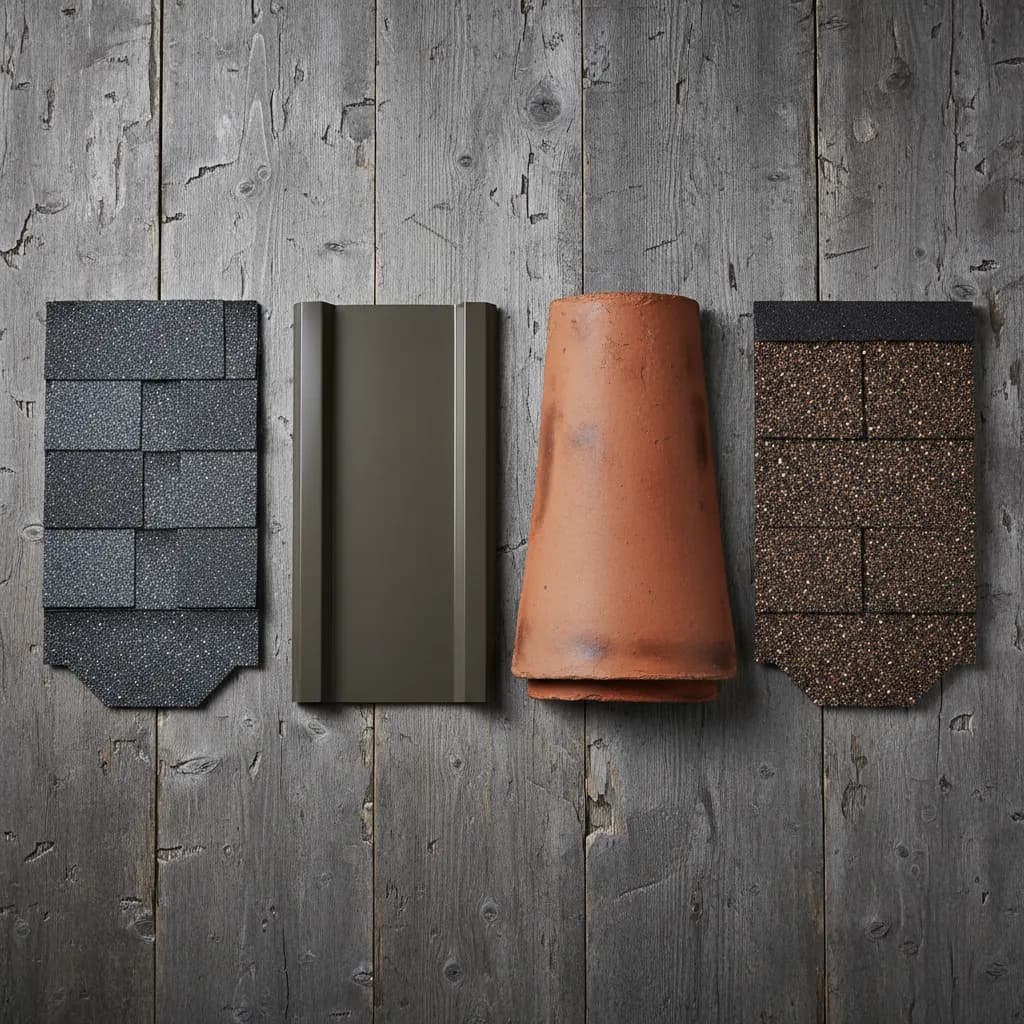
Asphalt is the most popular shingle type in the United States, and in Colorado and Wyoming it is the workhorse for good reason. It looks good, is cost-effective, and pairs cleanly with our GAF Master Elite installation.
We most often install:
- GAF Timberline HDZ — our default architectural shingle
- GAF Timberline Armorshield — Class 4 hail-impact-resistant
- GAF Sienna Chateau — premium designer line
- CertainTeed Landmark when a homeowner prefers it
With proper care, asphalt roofing can last between 20 and 50 years, depending on shingle quality.
Metal Roofing
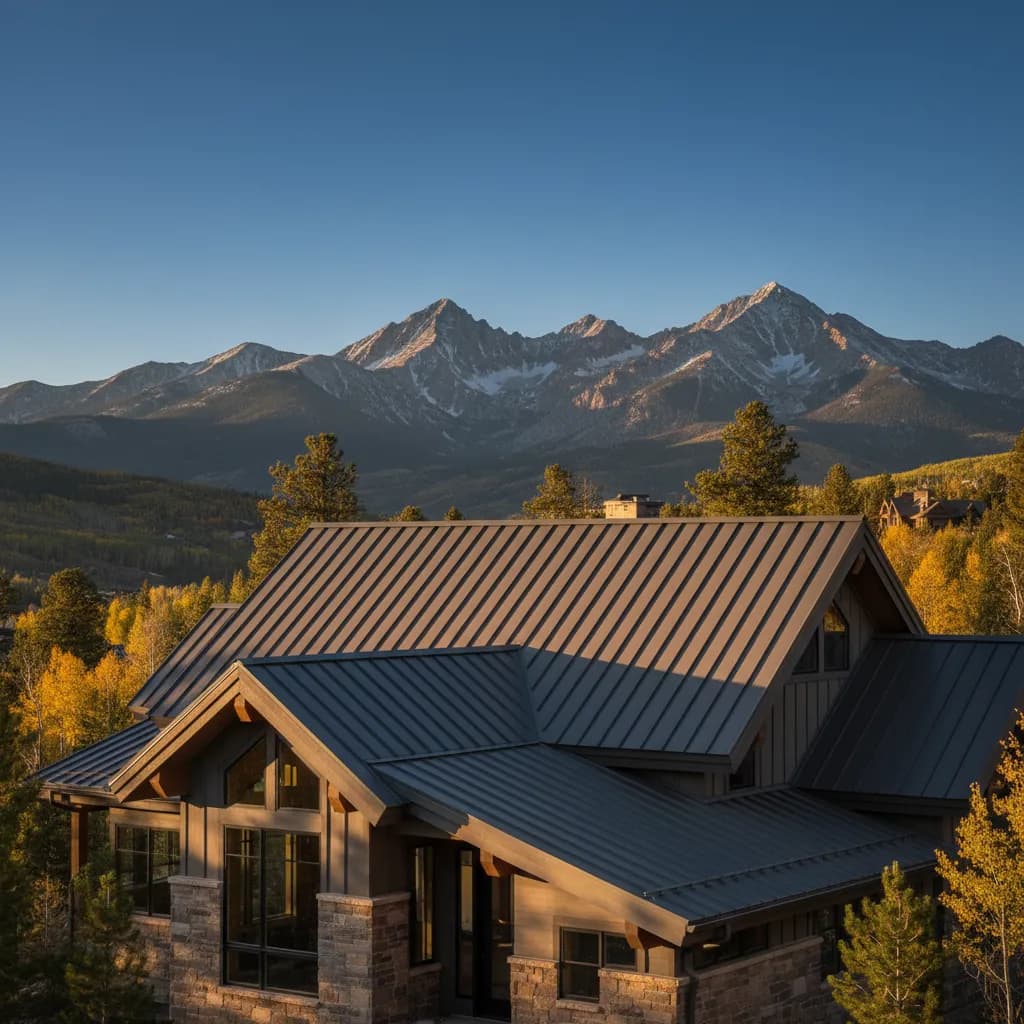
Metal roofs are designed to last 50 years or more and are much more resistant to weathering and corrosion than other roofing types. Standing seam systems conceal most fasteners and are commonly chosen for a clean look and long-term performance. Exposed-fastener panels are a different fit — both have a place.
A few honest notes:
- Hail and metal: Heavier-gauge metal resists denting; lighter-gauge can dent. Pick the gauge that matches your exposure.
- Noise: Modern metal roofs with the right underlayment and insulation are not particularly loud in rain or hail.
- Snow: On certain slopes, snow guards or snow retention may be recommended to keep snow from sliding off in one big sheet onto entryways, gutters, or landscaping.
Tile Roofing
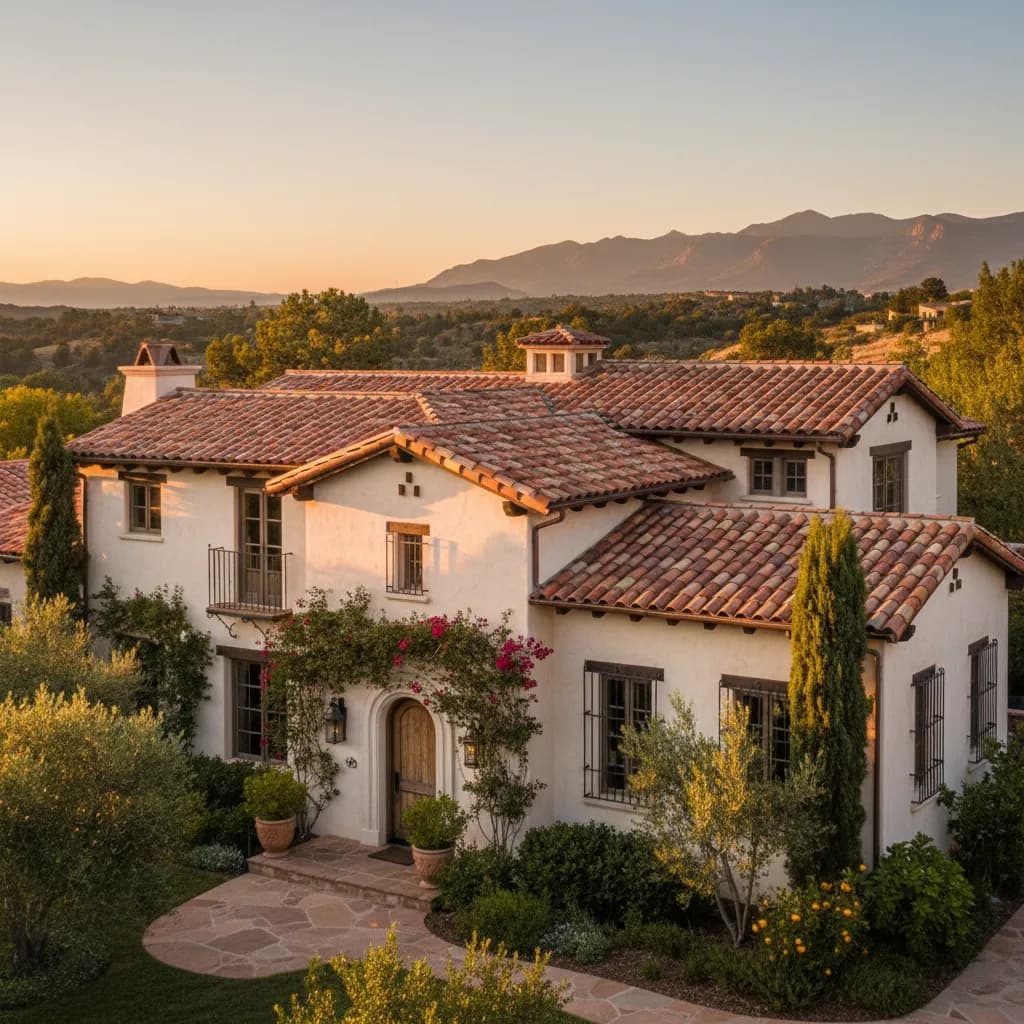
Tile is excellent for maximizing the look and durability of your roofing system and enhancing curb appeal. With a lifespan of up to 50 years, a tiled roof is a wise investment.
When tile is a great fit:
- Clay tile in default orange and red looks best on Mission, French, Mediterranean Revival, and Southwest-style homes
- Spanish Barrel tiles reduce heat transfer, which makes them excellent for south-facing roofs
- Concrete and slate tiles look nice on American Craftsman and Victorian homes — concrete is heavier, so structural framing matters
Stone-Coated Steel
The average lifespan of stone-coated roofing is 40 to 70 years with proper care. That is dramatically longer than asphalt (15 to 25 years) or wood shakes (20 to 30 years). It carries a beautiful tile- or shake-style aesthetic with the durability of a metal substrate underneath.
Stone-coated steel is a strong fit for homeowners who want the look of tile or shake without the weight load of clay or concrete. It is also a popular option in higher-elevation or wildfire-influenced areas because of its non-combustible substrate.
Composite / Synthetic Shingles
Composite or synthetic roofing is a great middle ground. A composite roofing system will typically last between 30 and 50 years, and many of the top products carry a 30-year-or-better warranty with extended options available.
Composite is also where we will often recommend F-Wave for hail-prone Front Range homes. Several of our customers have moved to F-Wave specifically because it is highly hail-resistant, can look like slate, and has earned insurance premium reductions for them on their homeowner's policy.
Bottom Line
When we come out for a free inspection, the question is not "which material is best" in the abstract — it is "which material is best for **this** home, in **this** neighborhood, with **this** weather exposure, for **this** budget." Our job is to walk you through that decision honestly, including telling you when a simple repair is the smarter move than a full replacement.
Frequently Asked Questions
What is the best roofing material for Colorado's climate?
There is no single 'best' — it depends on the home, neighborhood, and budget. For most Front Range homes, an architectural asphalt shingle (especially a Class 4 hail-impact-resistant option) installed by a Master Elite contractor is the strongest value. For longer lifespan, metal or stone-coated steel can be excellent. For hail-prone neighborhoods that have repeated claims, F-Wave composite is worth a serious look.
Are Class 4 hail-impact shingles worth the upgrade?
In most hail-exposed Colorado neighborhoods, yes. Many insurance carriers offer up to a 30% homeowner premium discount for Class 4 shingles, which can offset the upgrade cost over the life of the policy. Confirm both the discount and any cosmetic exclusions with your agent before deciding.
Will a metal roof be loud in rain or hail?
With proper underlayment and attic insulation, no — modern metal roofs are not noticeably louder than asphalt inside the home. The 'tin roof in a downpour' sound is from un-insulated barns, not insulated homes.
Is tile too heavy for my home?
Maybe. Clay and concrete tile are heavier than asphalt and require adequate roof framing. If your home was not originally built for tile, we will evaluate the structure before recommending it. Stone-coated steel often gives you the tile look without the weight.
Can I mix materials on one home (e.g. metal on a porch, asphalt on the main roof)?
Yes, and it is actually common. A flat porch roof, a low-slope addition, or a small dormer often calls for a different system than the main roof. We carry the certifications to install most combinations under proper manufacturer warranties.