Why Manufacturer & Workmanship Warranties Matter (And How Ours Stack Up)
The difference between the warranty most roofers offer and the warranty Roof Worx can offer
What You'll Learn
- The difference between material and workmanship warranties
- Why workmanship coverage length is a red flag to watch
- What commonly voids a roofing warranty
- How Class 4 hail-impact shingles affect insurance discounts
Two Kinds Of Warranty — Both Matter
When you sign up with a Denver-area roofing company, one of your first questions should be: what type of warranties does my contract come with? There are two different things to look at, and both matter.
Manufacturer (Material) Warranty
This covers the shingles or membrane themselves — defects in the product. The manufacturer issues it, and the length and quality of coverage depends on the shingle line and on whether the installing contractor is certified to extend it.
A stock manufacturer warranty (the one any roofer can register) is usually a limited material-only warranty with prorated coverage that drops significantly after the first 10 years. The upgraded system warranties — the ones with 30- and 50-year terms — are only available through certified contractors, and only when the entire roofing system is installed to manufacturer spec.
Workmanship Warranty
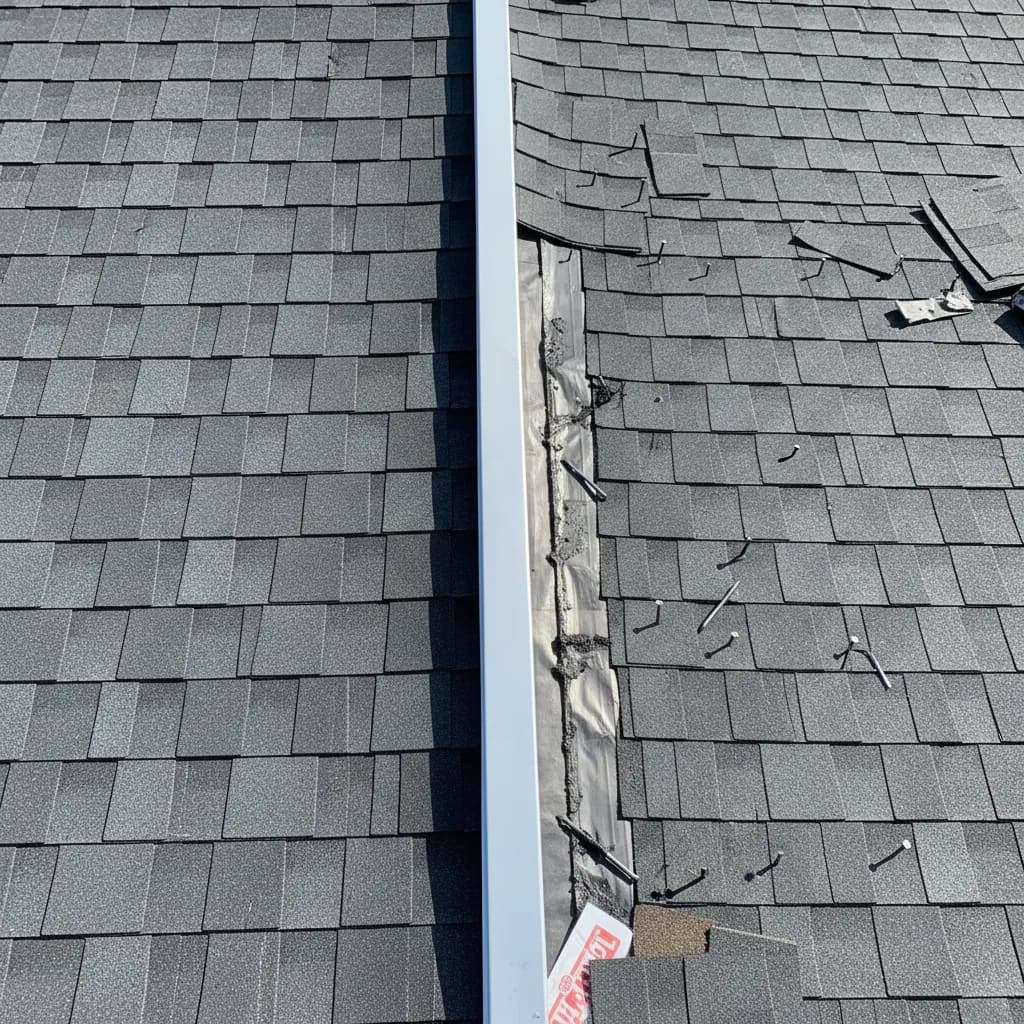
This covers how the roof was installed — the labor, the flashing, the seams, the details. Workmanship issues are the most common cause of roof leaks that show up two, three, or five years after a roof is replaced. A short or weak workmanship warranty is a red flag.
A lot of Front Range contractors offer a 1- or 2-year workmanship warranty. That covers them through the first winter and the first hailstorm — not through the lifetime of the roof. Ours is dramatically longer because we are willing to stand behind the install for that long.
How Roof Worx Coverage Stacks Up
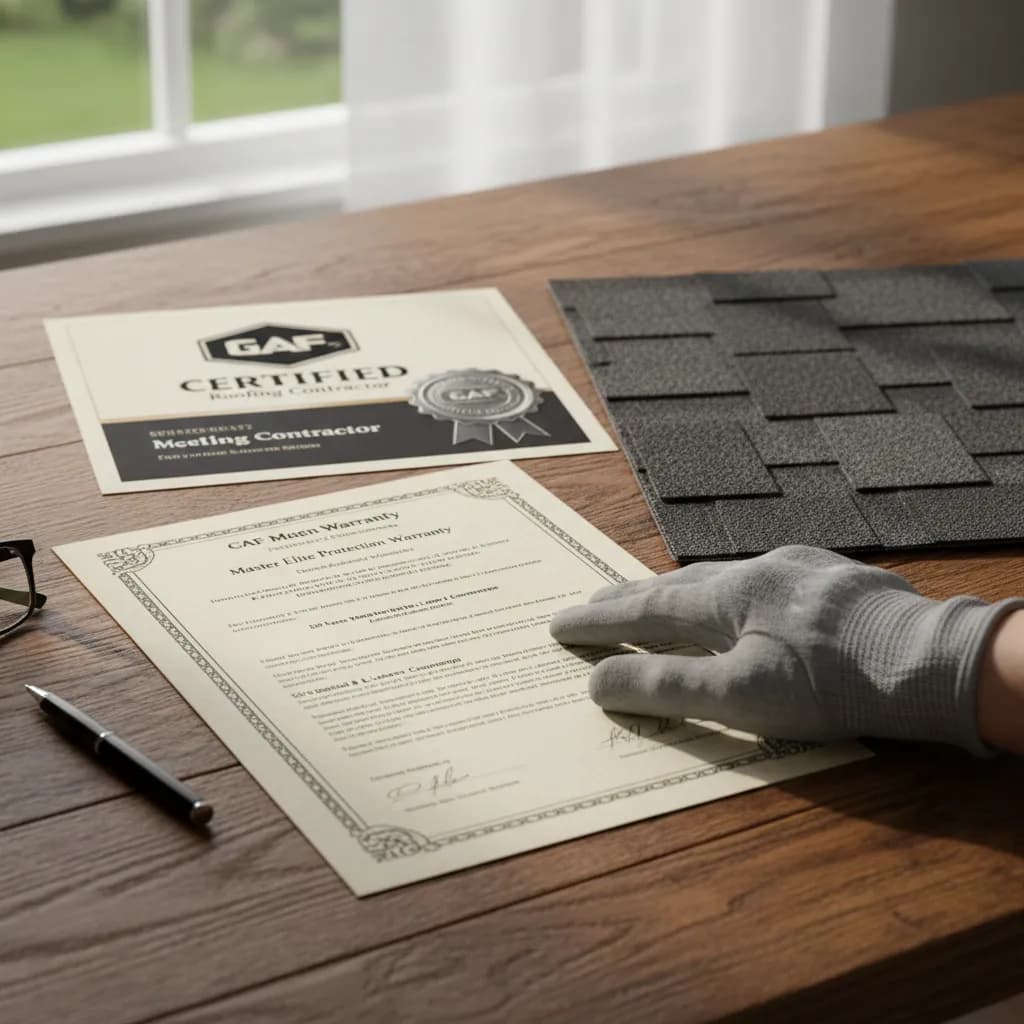
Because we are a certified GAF Master Elite roofer, we can provide combined material and workmanship coverage of up to 30 years, backed by a manufacturer that has been in business for more than a century. That coverage requires the entire roof to be installed as a system — proper underlayment, ice and water shield, ventilation, starter strip, ridge cap, and flashing — not just the shingles.
The same logic applies on the commercial side. We carry GAF Master for low-slope, Mulehide, Versico, Firestone Metal Roofing, and Durolast PVC certifications, which lets us offer extended warranties on the appropriate flat / low-slope and metal systems.
What Voids A Warranty (And How We Avoid It)
The most common reasons a warranty gets voided are:
- Wrong fastener type, count, or placement
- Improper ventilation that overheats the underside of the deck
- Non-approved accessory products mixed into a manufacturer system
- Walking on the roof unnecessarily after installation
- Skipping starter strip or using site-cut three-tab as a substitute
- Missing or undersized flashing at chimneys, walls, and skylights
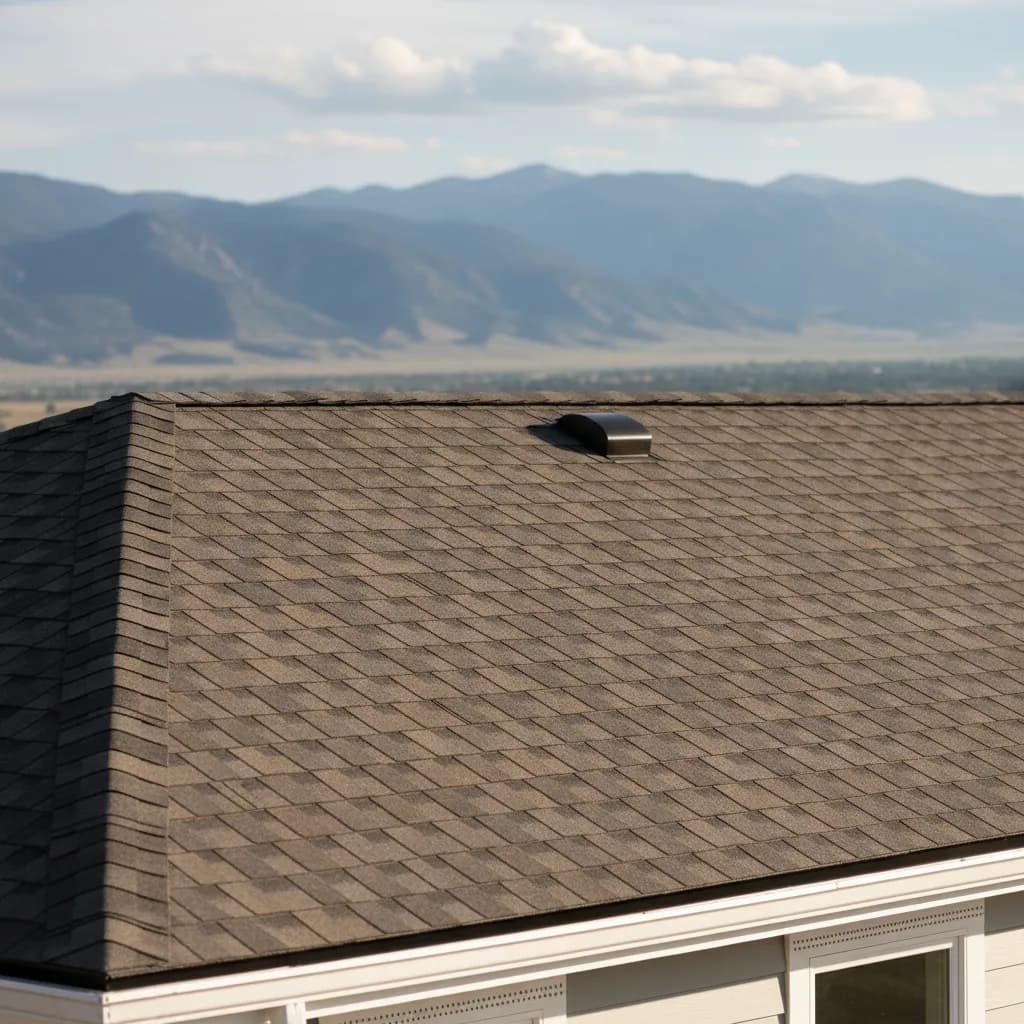
Our installers are trained — and re-trained every year — on the exact manufacturer specs for every system we carry. That is the entire point of being Master Elite: the warranty is only as good as the installation that backs it.
We also document the install with photos at each stage — decking, underlayment, ventilation, flashing, and final field — so if a warranty claim ever needs to be opened, the paperwork is already there.
A Quick Note On Class 4 Discounts
Most insurance companies offer up to 30% off for Class 4 hail-impact-resistant shingles. Worth asking your agent about. One thing to watch: some carriers attach cosmetic exclusions to that discount, which can make storm damage claims more difficult down the road. We will walk you through the trade-off before you decide.
Frequently Asked Questions
What is the difference between a material warranty and a workmanship warranty?
A material warranty (issued by the manufacturer) covers defects in the shingles or membrane themselves. A workmanship warranty (issued by the contractor) covers the installation — flashing, fasteners, seams, and details. Most leaks years after a re-roof are workmanship issues, not material defects, which is why the length of the workmanship warranty matters.
How long is the Roof Worx workmanship warranty?
On GAF Master Elite installations we can register combined material and workmanship coverage of up to 30 years through GAF's upgraded system warranties. Our standard workmanship terms are also written to outlast the typical 1- to 2-year coverage you see from most Front Range roofers.
Does the warranty transfer if I sell my home?
Yes — GAF system warranties are transferable to subsequent owners under GAF's published transfer rules. A documented Master Elite install with a transferable warranty is a real curb-appeal advantage at resale.
What is the single most common thing that voids a roofing warranty?
Improper attic ventilation — too much exhaust or too little intake — because it overheats the underside of the shingles and accelerates failure. That is why ventilation math is part of every Roof Worx scope, not an afterthought.
Should I take the Class 4 hail-impact upgrade?
In most hail-exposed Front Range neighborhoods, yes — the insurance premium discount usually pays for the upgrade over the life of the policy. Just confirm with your agent whether your carrier attaches a cosmetic-damage exclusion to the discount before you decide.